Leach Field Installation in Denver, CO
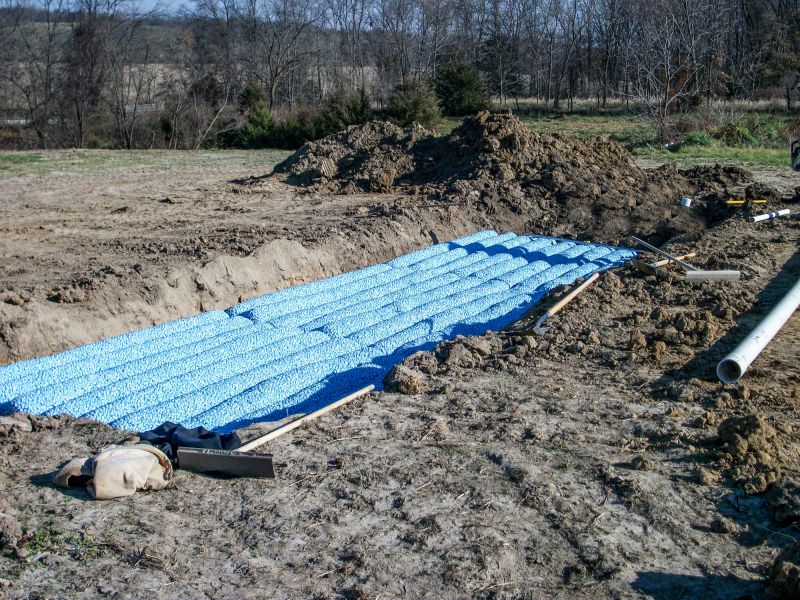
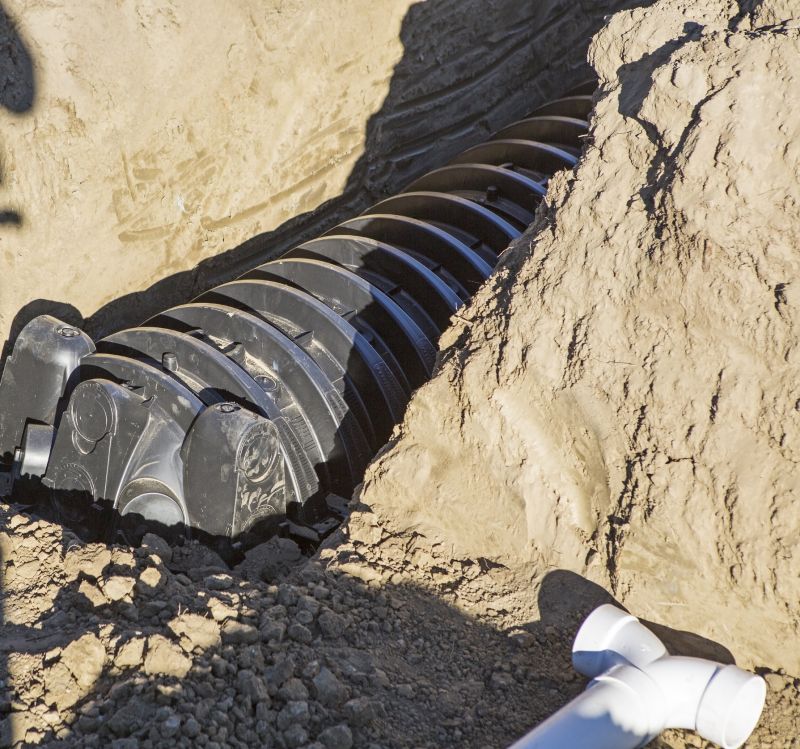
Leach field installation is a crucial component of a septic system, responsible for safely dispersing treated wastewater into the soil. This service typically involves preparing the land, excavating trenches, and installing the drain lines and gravel beds that allow effluent to filter naturally. Property owners often seek this service when building a new septic system, replacing an aging leach field, or upgrading an existing system to ensure proper function and compliance with local regulations.
Before requesting leach field installation, homeowners should understand the size and layout of their property, as well as soil conditions that can affect drainage. It’s also helpful to consider the location of existing structures, water sources, and property boundaries to determine the best placement for the system. Clear communication about the property's topography and any previous septic system issues can assist in planning an effective installation that meets the property’s needs.
Many property owners in Denver, CO look into Leach Field Installation for repairs, replacements, upgrades, and appearance-related improvements.
Leach Field System Design
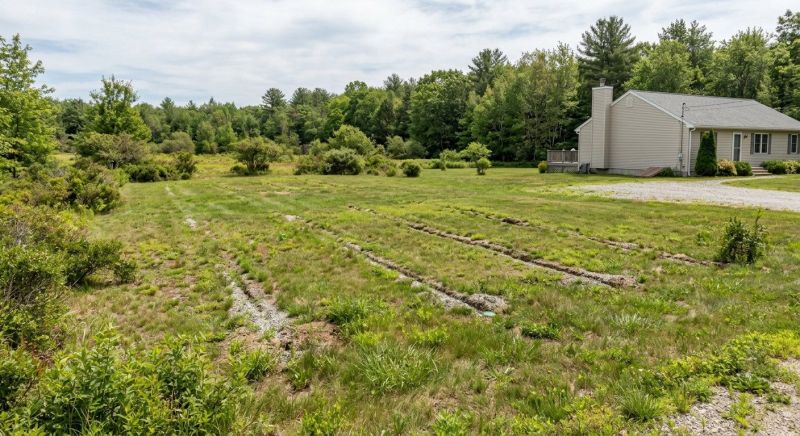
Proper design ensures efficient wastewater treatment for residential and commercial properties.
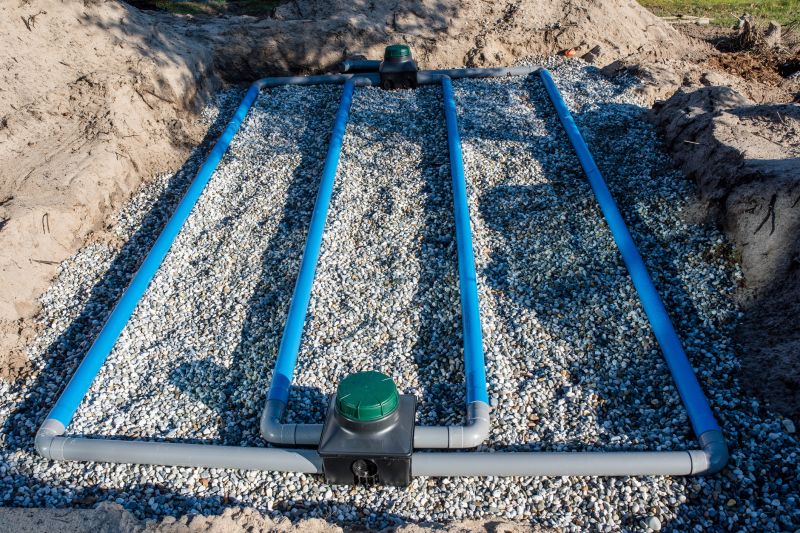
Leach Field Installation Process
Installation involves site assessment, proper trenching, and soil preparation to ensure reliable operation.
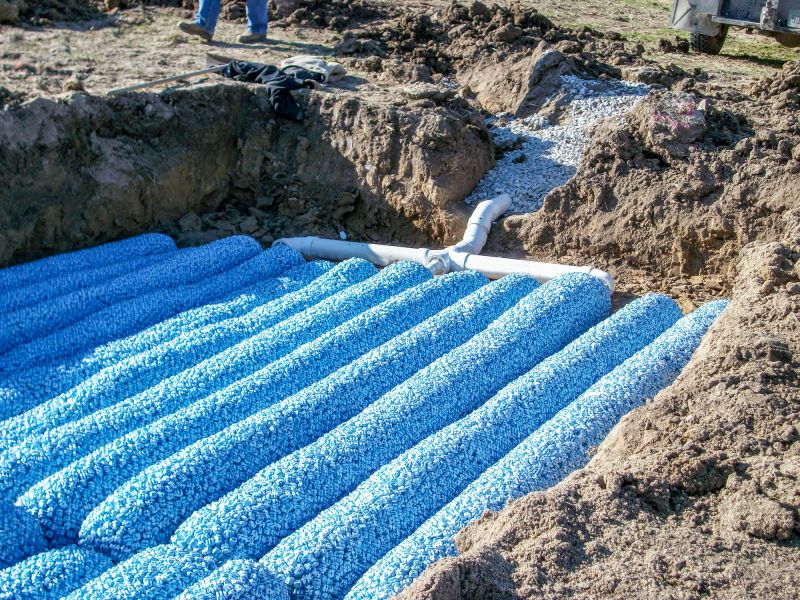
Leach Field Maintenance Tips
Regular inspection and maintenance help prevent system failures and extend the lifespan of the leach field.
Leach Field Installation in Denver, CO

Leach field installation is a crucial component of a septic system, responsible for safely dispersing treated wastewater into the soil. This service typically involves preparing the land, excavating trenches, and installing the drain lines and gravel beds that allow effluent to filter naturally. Property owners often seek this service when building a new septic system, replacing an aging leach field, or upgrading an existing system to ensure proper function and compliance with local regulations.
Before requesting leach field installation, homeowners should understand the size and layout of their property, as well as soil conditions that can affect drainage. It’s also helpful to consider the location of existing structures, water sources, and property boundaries to determine the best placement for the system. Clear communication about the property's topography and any previous septic system issues can assist in planning an effective installation that meets the property’s needs.
Many property owners in Denver, CO look into Leach Field Installation for repairs, replacements, upgrades, and appearance-related improvements.
Common Leach Field Installation Jobs
Leach Field Installation - Proper installation ensures effective wastewater treatment for residential properties.
Septic System Setup - Installing new leach fields supports the proper drainage of septic systems.
Leach Field Replacement - Replacing aging or failing leach fields helps maintain system functionality.
Site Evaluation - Assessing property conditions to determine the best location for leach field installation.
Drain Field Design - Planning and designing leach fields tailored to property size and soil conditions.
Troubleshooting & Repair - Addressing issues with existing leach fields to prevent system failures.
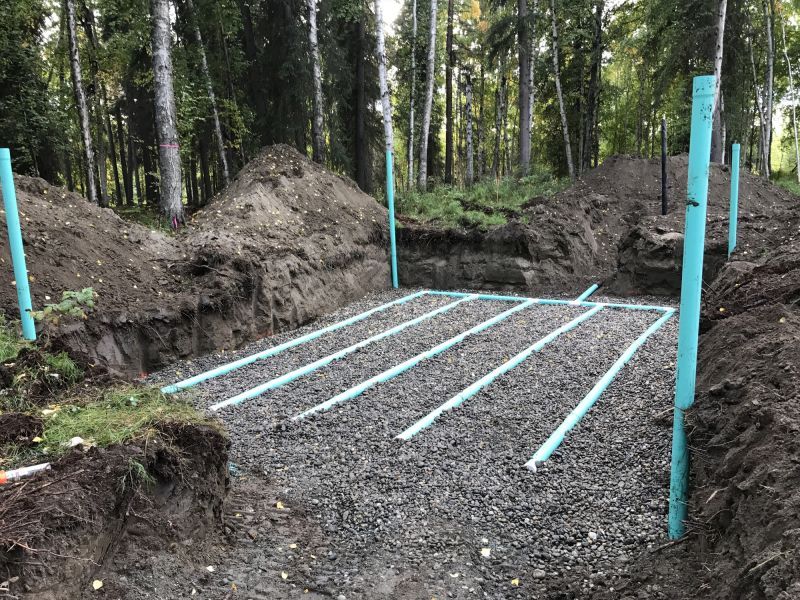
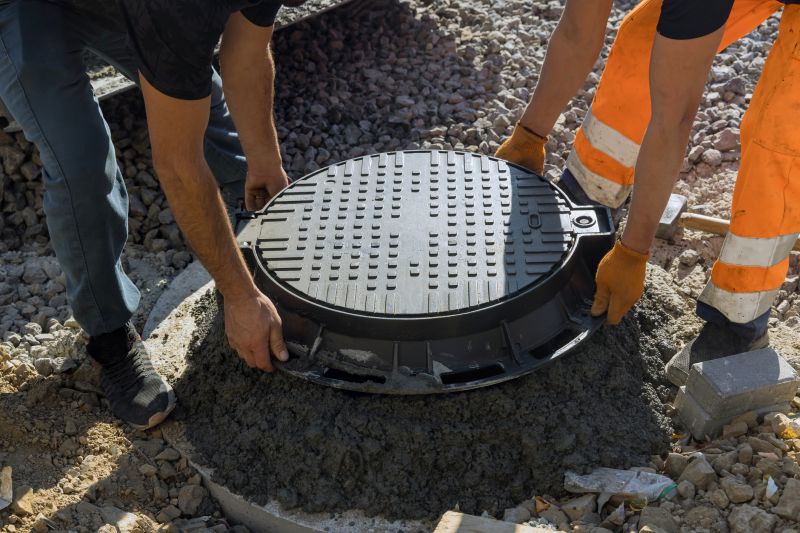
Leach Field Installation Questions
What is a leach field? A leach field is an underground system that distributes wastewater from a septic tank into the soil for natural treatment.
How do I know if my leach field needs replacement? Signs include standing water, foul odors, or slow drainage in plumbing fixtures.
What factors influence leach field installation? Soil type, property size, and local regulations are key considerations for proper installation.
Can a leach field be repaired instead of replaced? Some issues may be fixable through repairs, but extensive damage often requires replacement.
Request Leach Field Installation in Denver, CO
Use the quote form on this page to share the basics of your project and request more information for the type of work you need.